
The changing colors of leaves in autumn are influenced by a variety of factors, each playing a crucial role in this natural phenomenon. Here are the key elements that contribute to the vibrant display of fall foliage:
During the growing season, leaves are predominantly green due to chlorophyll, the pigment responsible for photosynthesis. As daylight hours shorten and temperatures drop in autumn, chlorophyll production slows and eventually ceases, allowing other pigments to become more visible.
Temperature plays a significant role in leaf color change. Warm, sunny days followed by cool nights enhance the production of anthocyanins, leading to more vibrant reds and purples. Conversely, early frost can lead to a dull appearance in the leaves.
The amount of sunlight a tree receives can influence the color of its leaves. Trees in sunny locations often display more intense colors compared to those in shaded areas. Sunlight stimulates the production of anthocyanins, enhancing the red coloration.

Soil moisture can also impact fall foliage. Adequate moisture during the growing season can lead to healthy leaf development, but a dry season can stress trees and affect pigment production. Additionally, a sudden influx of moisture in the fall can dilute pigments, affecting color intensity.
Different tree species have varying capacities for pigment production, resulting in diverse autumn displays. Some trees, like maples and oaks, are known for their brilliant fall colors, while others may have more subdued hues.
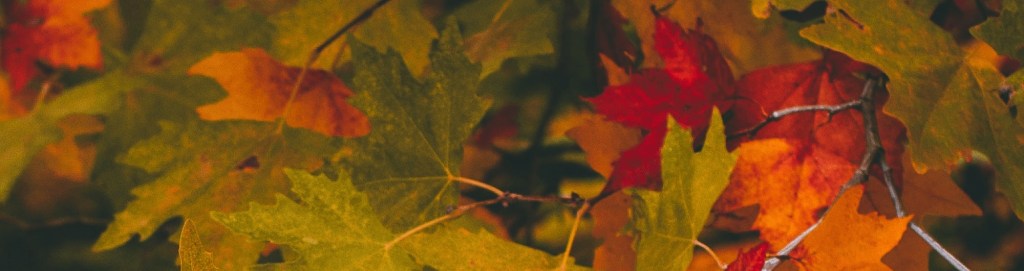
Also, the health of a tree can influence its fall colors. Stressed or unhealthy trees may not display the same vibrant colors as healthy ones.
Overall, the interplay of these factors creates the stunning tapestry of fall colors that we admire each autumn. 🍂

