Halloween creeps in with its enchanting charm, inviting revelers to embrace the scary and the whimsical. From jack-o’-lanterns to cobwebs and ghostly figures, Halloween decor has evolved into a vibrant tapestry of traditions rooted in ancient customs and folklore.
The origins of Halloween decor can be traced back over 2,000 years to the Celtic festival of Samhain, celebrated on the night of October 31st. This ancient Gaelic festival marked the end of the harvest season and the onset of winter. The Celts believed that on this night, the boundary between the living and the dead was blurred, allowing spirits to roam the earth. To ward off these wandering souls, people lit bonfires and donned costumes made from animal skins and heads.
Decorating homes with symbols of protection became customary. This included placing carved turnips or gourds around the home to scare away evil spirits, which would later evolve into the iconic jack-o’-lanterns we know today.
As Christianity spread, many pagan traditions were absorbed into Christian practices. The celebration of All Hallows’ Eve, which precedes All Saints’ Day on November 1st, emerged as a way to honor saints and remember the dead. The practices of lighting candles and decorating graves became common, intertwining with the earlier customs of Samhain.
During this time, the decoration of homes shifted from merely warding off spirits to celebrating life and honoring loved ones who had passed. This dual focus on remembrance and festivity laid the groundwork for modern Halloween traditions.
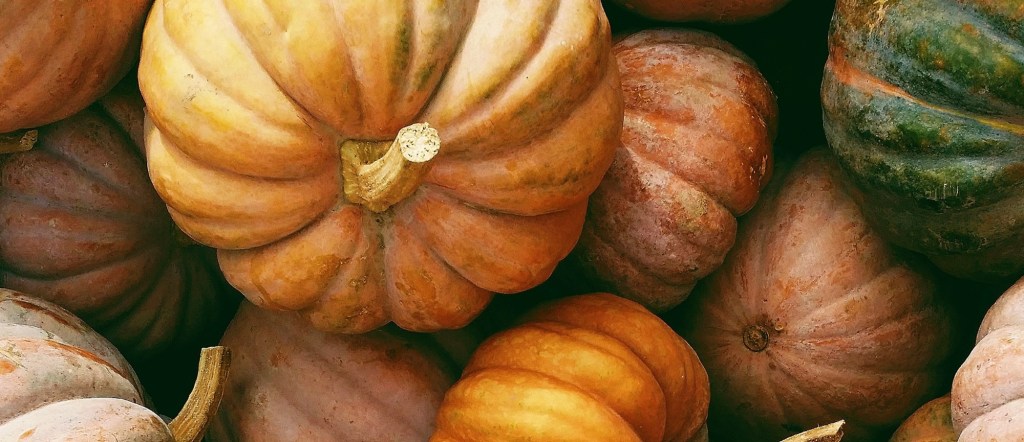
Halloween made its way to America with Irish and Scottish immigrants in the 19th century. As the holiday evolved in the New World, so did its decor. The pumpkin, a native fruit, replaced turnips as the primary material for jack-o’-lanterns, thanks to its availability and larger size. This adaptation marked a significant shift in Halloween decor, as pumpkins became the centerpiece of the holiday.
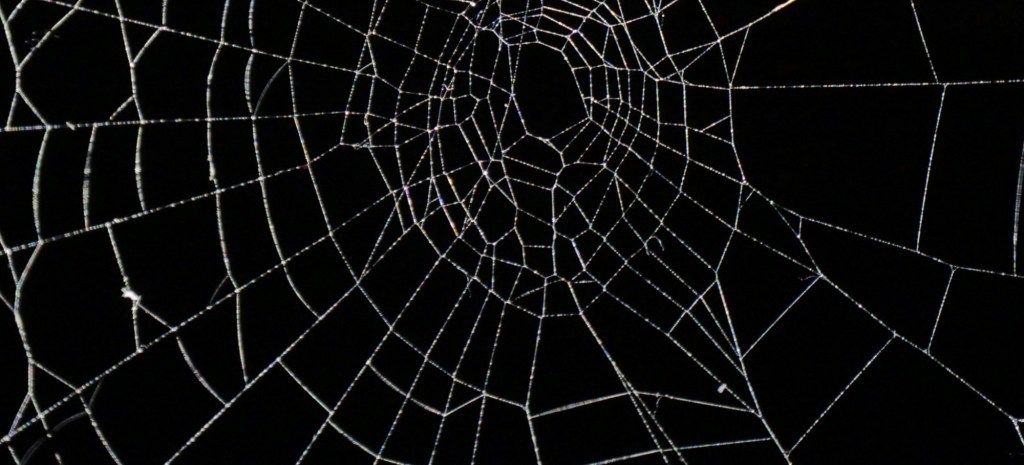
By the early 20th century, Halloween had transformed into a more community-centered celebration, with parades and parties. Homes began to be decorated with a variety of themes: ghosts, witches, bats, and other spooky motifs. The rise of commercialism in the 1920s and 1930s further propelled the popularity of Halloween decorations, as stores began to sell ready-made decor items, making it easier for families to join in the fun.
Today, Halloween decor reflects a delightful blend of tradition and modern creativity. From inflatable yard decorations to elaborate haunted house setups, the range of available decorations is vast. Many families enjoy crafting their own decor, paying homage to the holiday’s roots by incorporating elements like cornstalks, hay bales, and homemade decorations.
Themed parties have also become a hallmark of Halloween celebrations, with decorations tailored to specific motifs—think vintage horror films or whimsical witchcraft. Social media platforms have played a significant role in sharing DIY ideas and showcasing extravagant Halloween displays, inspiring an ever-growing community of decor enthusiasts.
The origins of Halloween decor are rich and varied, steeped in ancient traditions that have evolved over centuries. As we carve our pumpkins and hang our cobwebs, we not only celebrate the spooky and the fun but also honor the myriad cultures and customs that have shaped this beloved holiday. Halloween remains a time for creativity, imagination, and a touch of the eerie, inviting us all to partake in its delightful festivities. So, as you prepare for this haunting season, remember the history behind your decorations and enjoy the thrill of the scare!

