Fall is an excellent season for planting vegetables, offering a unique opportunity to cultivate a variety of crops that thrive in cooler temperatures. What are the best vegetables to sow, and essential tips for ensuring a successful harvest.
Why Plant in Fall?
Milder Weather: The cooler temperatures of fall provide a less stressful environment for young plants. The sun is less intense, reducing the risk of heat stress and allowing plants to establish strong root systems.
Extended Growing Season: In many regions, fall crops can be planted late in the season and harvested before the first frost. This can extend your gardening season significantly.
Less Pest Pressure: Fall gardening often comes with fewer pests and diseases than summer planting, making it easier to grow healthy vegetables.
Soil Benefits: As the days get shorter, the soil retains moisture better, which can be beneficial for seed germination and plant growth.
Best Vegetables to Plant in Fall
When planning your fall garden, consider these cool-weather vegetables that thrive in the autumn months:
Leafy Greens: Spinach, kale, and Swiss chard are excellent choices. They can be sown directly into the garden and will continue to grow until the temperatures drop significantly.
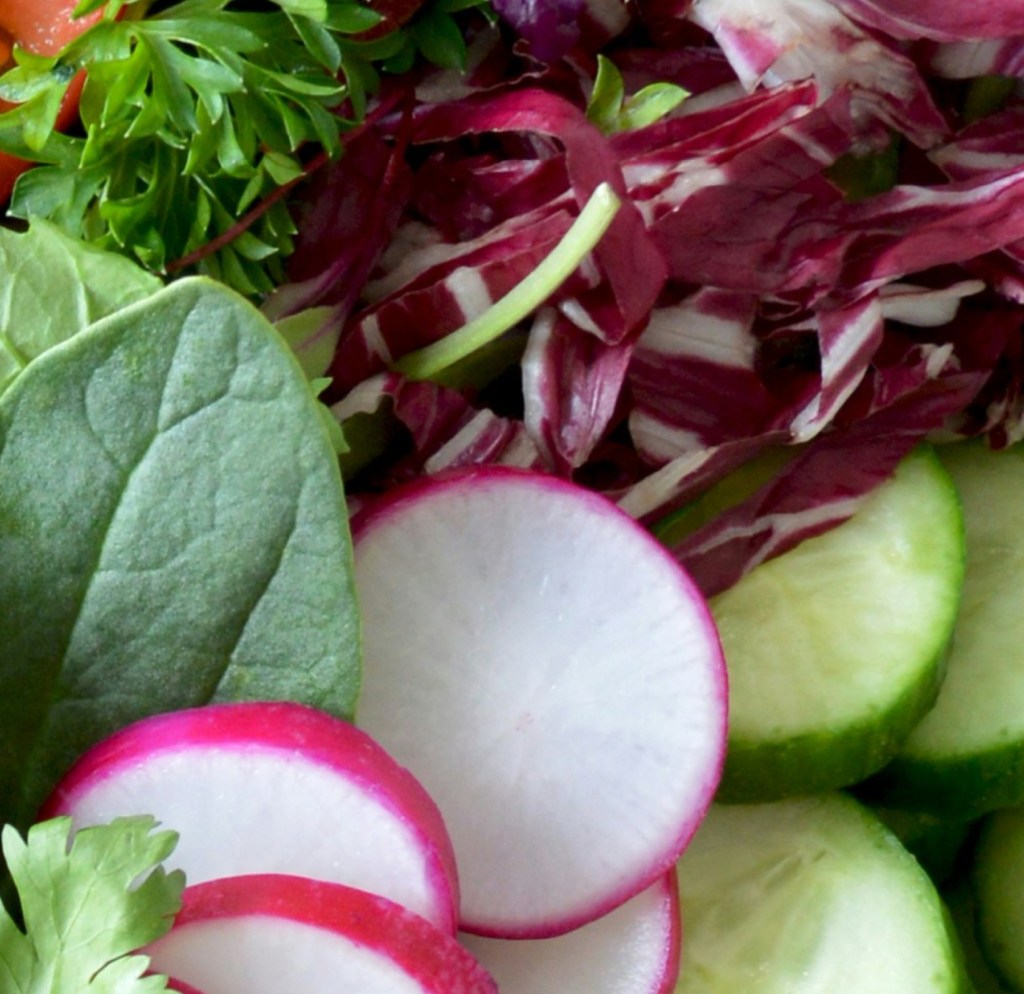
Root Vegetables: Carrots, beets, and radishes are perfect for fall planting. They can be sown directly into the soil and will sweeten as the weather cools.
Garlic: Fall is the ideal time to plant garlic. It establishes roots before winter and will be ready to harvest in late spring or early summer.
Brassicas: Broccoli, cauliflower, and Brussels sprouts are hardy vegetables that can be planted in late summer for a fall harvest.
Peas: If you live in a milder climate, fall is a great time to plant snap peas or snow peas, which can often be harvested in early spring.
Tips for Successful Fall Planting
Soil Preparation: Ensure your soil is well-draining and rich in organic matter. Amend it with compost or aged manure to provide essential nutrients for your fall crops.
Timing: Pay attention to your local frost dates. Plant your seeds or seedlings at least 6-8 weeks before the first expected frost to ensure they have enough time to mature.
Row Covers: Use row covers or cloches to protect young plants from unexpected cold snaps and to extend the growing season. These can provide warmth and shelter to your crops.
Watering: Fall gardens may require less water than summer gardens due to cooler temperatures and increased humidity. However, keep an eye on moisture levels, especially for newly planted seeds.
Mulching: Applying a layer of mulch can help retain soil moisture, suppress weeds, and regulate soil temperature, providing a protective barrier for your plants.
Succession Planting: Consider staggered planting to ensure a continuous harvest. Plant small batches of seeds every couple of weeks to enjoy fresh vegetables throughout the fall.
Planting vegetables in the fall can be a rewarding experience that not only extends your gardening season but also enhances the flavors of your harvest. With careful planning and the right techniques, your fall garden can yield a bountiful array of delicious vegetables.🍂💡

