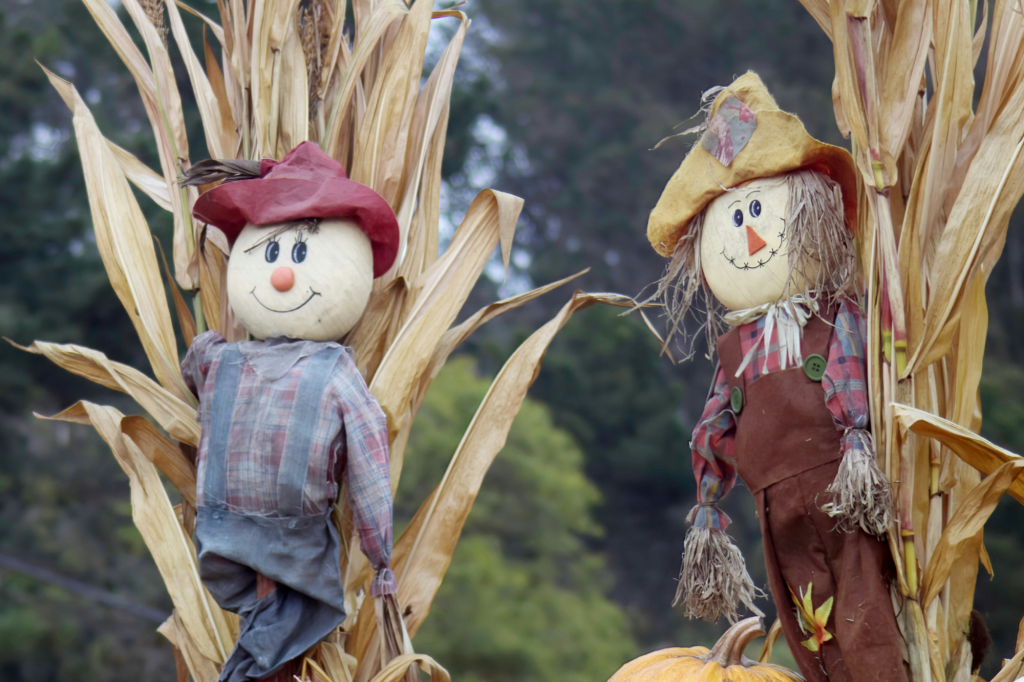
As Halloween approaches, the presence of scarecrows becomes increasingly prominent in fields and front yards across the globe. Traditionally regarded as guardians of crops, these whimsical yet eerie figures have transformed into a beloved symbol of Halloween. Their history is rich and multifaceted, weaving together agricultural practices, folklore, and the age-old human fascination with the supernatural.
The use of scarecrows dates back thousands of years, with the earliest records found in ancient civilizations. In ancient Egypt, farmers crafted rudimentary figures from reeds to protect their crops from birds. Similarly, Greek farmers would use wooden statues, often resembling human figures, to deter wildlife from their fields. The concept of using a humanoid figure to guard crops spread across cultures and continents, evolving in design and purpose.
While scarecrows initially served a practical purpose, their association with the harvest season led to their adoption in Halloween traditions. In the 19th century, as Halloween began to take shape in America, scarecrows became more than just crop protectors; they transformed into symbols of the harvest, representing the bounty of the season and the connection between humanity and nature.
During this time, scarecrows began to be adorned with creative and often scary elements. Farmers and families started dressing them in old clothes, giving them unique personalities, and placing them strategically in their yards to create a festive atmosphere. This practice gave rise to scarecrows as figures of local lore, with each one telling a story about the community’s harvest and traditions.
Scarecrows also hold a significant place in folklore and superstition. In some cultures, it was believed that scarecrows could ward off evil spirits or bring good fortune to the harvest. They were often seen as protective entities, standing watch over fields and ensuring a bountiful yield. In this light, scarecrows became intertwined with the supernatural, embodying both the lightheartedness of harvest celebrations and the darker themes that Halloween often evokes.
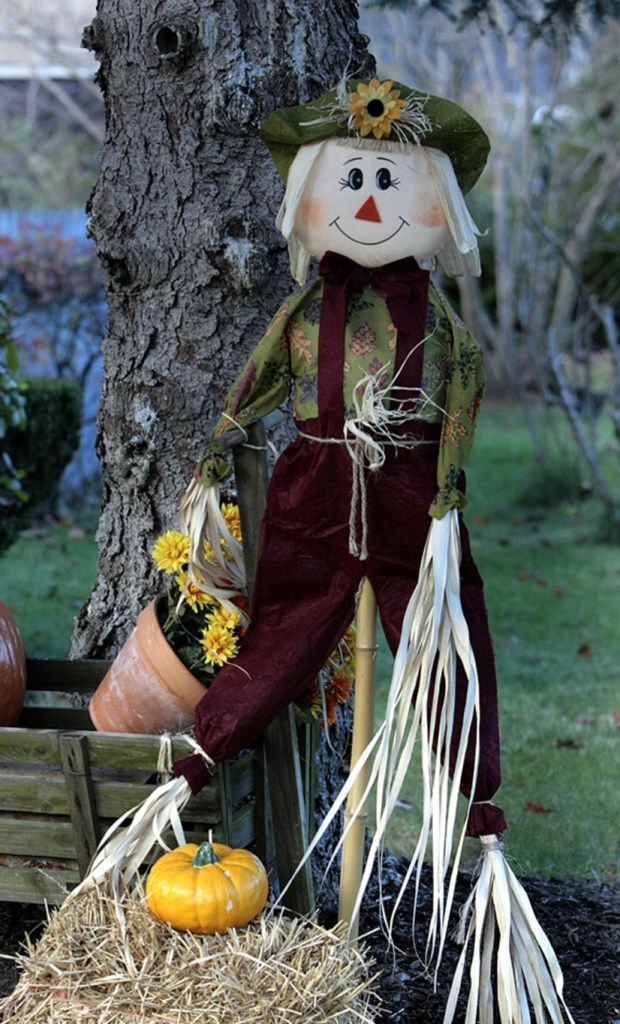
Stories and legends grew around scarecrows, with tales of them coming to life at night, haunting the fields, or even serving as vessels for lost souls. These narratives added an air of mystery and intrigue to the figures, further cementing their place in Halloween lore.
Today, scarecrows have evolved into vibrant symbols of Halloween, celebrated in various ways across different cultures. Halloween festivals often feature scarecrow contests, where families and communities showcase their creativity and craftsmanship. From whimsical designs to eerie, ghostly figures, scarecrows now reflect the playful and spooky spirit of the holiday.
Decorating with scarecrows has also become a popular trend, with many people incorporating them into their Halloween displays. They serve as both festive decorations and reminders of the agricultural roots of the holiday. The blend of creativity and tradition ensures that scarecrows remain a beloved part of Halloween celebrations.
The history of scarecrows at Halloween is a fascinating journey that transcends time and culture. From their humble beginnings as crop protectors to their evolution into iconic symbols of the harvest and Halloween, scarecrows embody the spirit of the season. They remind us of our connection to the land, the changing of the seasons, and the stories that bind our communities together. As we embrace the magic of Halloween, let us not forget the silent sentinels standing watch over our fields and yards, bringing both charm and a hint of scariness to this enchanting time of year. 🎃💡

