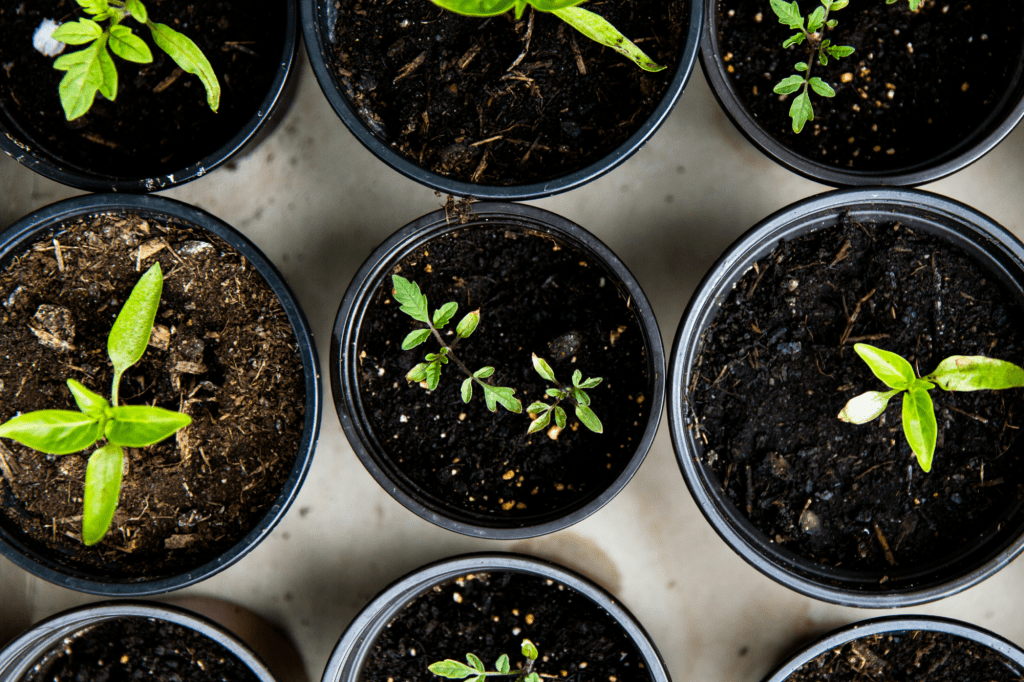
In today’s fast-paced world, where space is often limited, finding innovative ways to grow your own vegetables has become a popular trend. One such method gaining popularity is using pots to plant vegetables. Not only does it provide a practical solution for urban dwellers or those with limited outdoor space, but it also adds a touch of greenery and freshness to any home or garden.
Gone are the days when pots were solely used for decorative purposes. Now, they have become functional tools for cultivating a variety of vegetables, from leafy greens to tomatoes, peppers, and even root crops. The versatility of pots allows you to grow a diverse range of vegetables, regardless of the size of your space.
One of the significant advantages of using pots for vegetable gardening is their mobility. Unlike traditional garden beds, pots can be easily moved around to optimize sunlight exposure or protect delicate plants from harsh weather conditions. This flexibility enables you to create the ideal growing environment for each vegetable, ensuring their optimal growth and productivity.
When choosing pots for vegetable gardening, it’s essential to consider the size and depth of the container. Most vegetables require a minimum depth of 6-8 inches, while larger plants like tomatoes or eggplants may need deeper pots. Make sure the pots have drainage holes to prevent waterlogging, as excess moisture can lead to root rot and other problems.
Another crucial factor to consider is the type of potting soil. Vegetables thrive best in nutrient-rich soil that retains moisture while allowing proper drainage. You can buy pre-mixed potting soil or create your own by combining compost, peat moss, and perlite. Adding organic matter like compost or aged manure can further enrich the soil, ensuring your vegetables receive the necessary nutrients for healthy growth.
Once you have selected the right pots and filled them with suitable soil, it’s time to choose the vegetables you want to grow. Leafy greens like lettuce, spinach, and kale are excellent choices for pot gardening, as they have shallow root systems and can be harvested multiple times. Tomatoes, peppers, and herbs like basil or parsley also thrive in pots, provided they receive adequate sunlight and regular watering.
To ensure the success of your pot-grown vegetables, proper care and maintenance are crucial. Regular watering is essential, as pots tend to dry out more quickly than garden beds. However, be cautious not to overwater, as this can lead to root rot. It’s best to water deeply when the top inch of soil feels dry, ensuring the water reaches the roots.
Fertilizing your potted vegetables is also important, as the nutrients in the soil can deplete over time. Using organic fertilizers or slow-release granules will provide a steady supply of nutrients to support healthy growth. Additionally, regular pruning or pinching back of plants will help control their size and encourage bushier growth.
One of the joys of growing vegetables in pots is the ability to harvest fresh produce right at your doorstep. As your vegetables mature, pluck them at the peak of ripeness and savor the flavor of homegrown goodness. Not only will you enjoy the satisfaction of growing your own food, but you’ll also relish the added freshness and taste that comes with it.
Pots offer a practical and versatile solution for growing vegetables, even in limited spaces. Whether you have a balcony, patio, or small backyard, you can embark on your vegetable gardening journey with pots as your trusty companions. 💡

