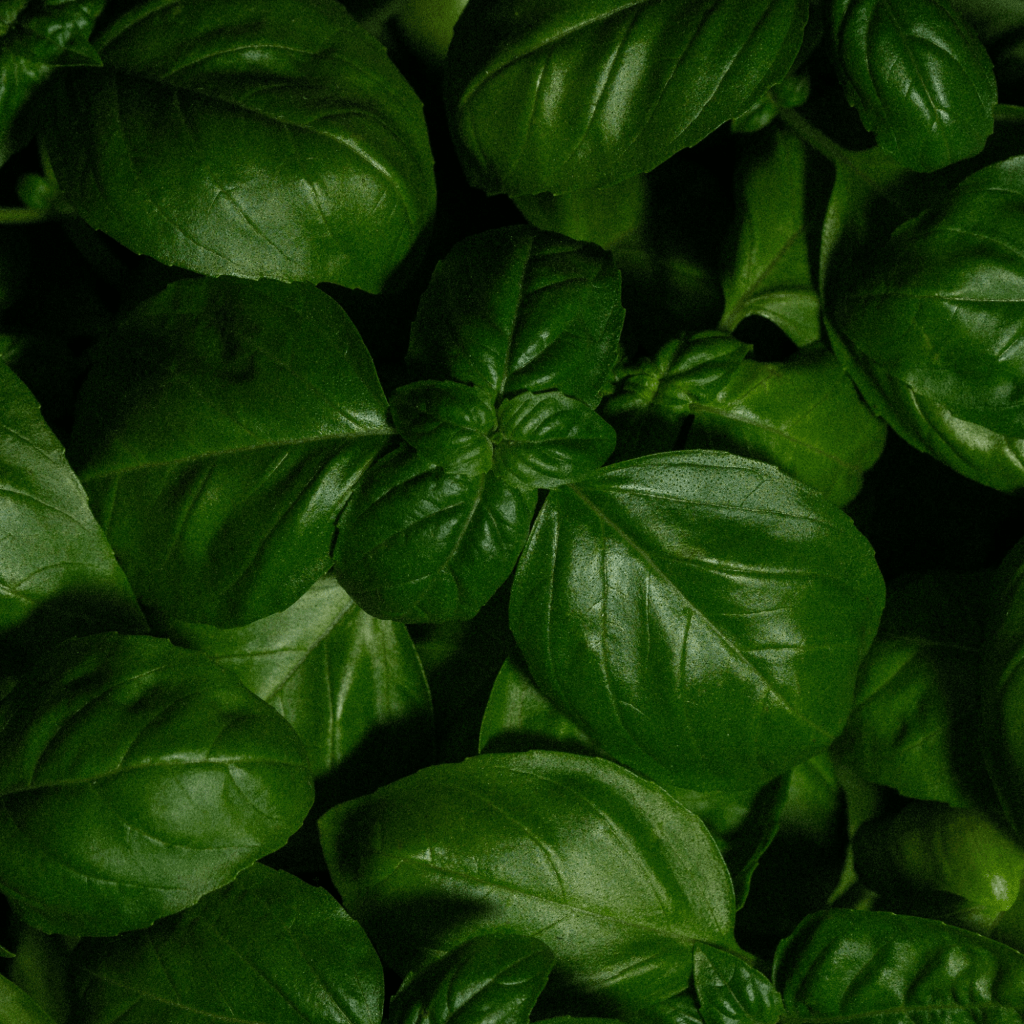
Basil with its delightful fragrance and versatile culinary uses, is a must-have addition to any herb garden. Let’s delve into the wonders of basil, its history, and provide some tips on how to successfully grow it during the spring season.
Basil, scientifically known as Ocimum basilicum, is believed to have originated in India and has been cultivated for over 5,000 years. It holds great significance in various cultures, symbolizing love, protection, and even spirituality. The word “basil” is derived from the Greek word “basileus,” which means “king” or “royal,” further emphasizing its esteemed status.
One of the most distinctive features of basil is its captivating aroma. The leaves emit a sweet and peppery scent that instantly transports you to a Mediterranean paradise. This fragrance is due to the presence of essential oils such as linalool and eugenol, which not only add flavor to culinary dishes but also possess medicinal properties.
When it comes to culinary uses, basil takes center stage in Italian cuisine, particularly in dishes like pesto, Caprese salad, and tomato-based pasta sauces. Its fresh and vibrant flavor pairs well with tomatoes, mozzarella cheese, garlic, and olive oil, creating a harmonious symphony of taste. Additionally, basil can be used in soups, stews, marinades, and even infused into oils and vinegars for a burst of flavor.
Now that we understand the allure of basil, let’s explore how to grow it successfully during the spring season. Basil thrives in warm and sunny conditions, making spring the perfect time to plant it. Here are some tips to help you cultivate a bountiful basil harvest:
Select the right location: Basil loves sunlight, so choose a spot in your garden that receives at least six hours of direct sunlight daily. Ensure the soil is well-drained and rich in organic matter.
Start from seeds or seedlings: You can either sow basil seeds directly into the soil or start with seedlings purchased from a nursery. If starting from seeds, sow them indoors a few weeks before the last frost date and transplant them outdoors when the weather is warmer.
Planting and spacing: If planting multiple basil plants, space them about 12 to 18 inches apart to allow proper air circulation. Dig a hole slightly larger than the root ball, place the seedling, and gently cover with soil.
Watering and fertilizing: Basil requires regular watering to keep the soil consistently moist but not waterlogged. Avoid overhead watering, as it can lead to fungal diseases. A balanced organic fertilizer can be applied once a month to promote healthy growth.
Pruning and harvesting: Regular pruning is essential to encourage bushy growth and prevent the basil plant from bolting (producing flowers). Pinch off the tips of the stems regularly, starting when the plant has developed a few sets of leaves. Harvest the leaves from the top down, using sharp scissors or your fingers.
Pests and diseases: Basil is generally resistant to pests and diseases. However, keep an eye out for aphids, slugs, and snails. If an infestation occurs, consider using organic pest control methods such as neem oil or companion planting with marigolds.
By following these simple guidelines, you can enjoy a flourishing basil garden throughout the spring season. Remember to savor the fresh aroma and incredible flavors of this remarkable herb in your culinary creations.
Basil is a herb that not only adds a burst of flavor to our dishes but also brings a touch of elegance and charm to our gardens. Its rich history, delightful fragrance, and versatile uses make it a beloved herb around the world. So, embrace the spring season, plant some basil, and embark on a culinary journey filled with the vibrant flavors of this royal herb. Happy gardening and bon appétit!

