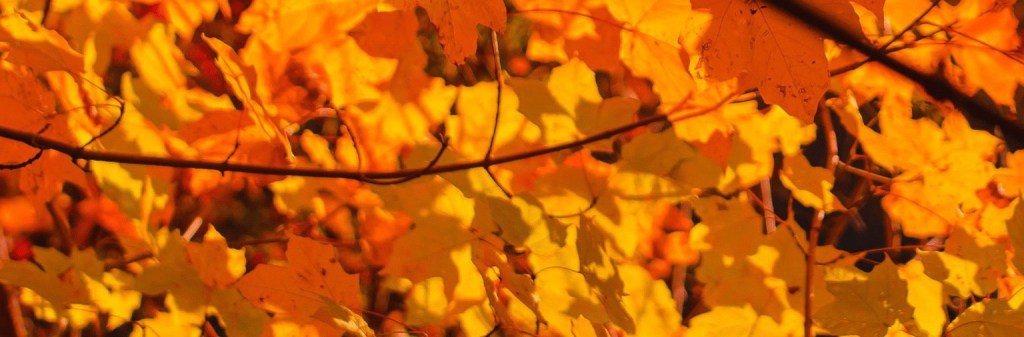
Fall season trees undergo a remarkable transformation that captivates our senses. The vibrant reds, oranges, and yellows of fall foliage create a stunning tapestry against a backdrop of clear blue skies. But what happens to these trees during this spectacular season, and do they continue to grow after the leaves have fallen?
The Science Behind Fall Foliage
As daylight hours shorten and temperatures drop, trees begin a process known as senescence. This is when chlorophyll, the green pigment responsible for photosynthesis, breaks down. As chlorophyll diminishes, other pigments in the leaves become more visible. Carotenoids produce the bright yellows and oranges, while anthocyanins contribute the rich reds and purples. This color change signals the tree’s preparation for winter.
Trees lose their leaves for several reasons, primarily to conserve water and energy during the colder months when photosynthesis becomes less efficient. By shedding their leaves, deciduous trees (those that lose leaves in fall) can reduce water loss and protect themselves from the harsh winter elements.
Growth Patterns: Do Trees Only Grow in Fall?
Contrary to what one might think, trees do not grow exclusively in the fall. Tree growth is a continuous process that occurs throughout the year, albeit at different rates depending on the season.
Spring Growth: As temperatures rise and daylight increases, trees enter a phase of active growth. This is when buds break open, and new leaves emerge, allowing the tree to photosynthesize and store energy for the upcoming seasons.
Summer Growth: During the summer months, trees continue to grow rapidly. They focus on developing their leaves and expanding their root systems. The warmth and abundance of sunlight during this period promote photosynthesis, fueling further growth.
Fall Preparation: As summer transitions to fall, trees begin to prepare for winter. While the vibrant display of autumn leaves is a highlight, growth is still happening beneath the surface. Roots continue to grow, albeit at a slower pace, helping the tree establish stability and access nutrients in the soil.
Winter Dormancy: Once winter arrives, most trees enter a state of dormancy. While they may not grow visibly, this period is crucial for their overall health. Trees conserve energy and resources, preparing for the resurgence of growth in spring.
The Lifespan of Fall Colors
The brilliant colors of fall are indeed fleeting, often lasting only a few weeks. Weather conditions play a significant role in determining the duration of fall foliage. A warm, dry autumn can lead to a quicker color change and leaf drop, while a cool, wet fall can prolong the vibrant display.
Once the leaves fall, the tree enters a phase of rest, allowing it to conserve energy until spring. However, the absence of leaves does not mean the tree is inactive. The root system continues to develop, and the tree prepares for the next growing season.
Fall trees are more than just a seasonal spectacle; they are a vital part of the ecosystem that undergoes continuous growth throughout the year. The stunning transformation of foliage serves as a reminder of nature’s cycles and the resilience of trees. 💡
 Kreate and Wryte