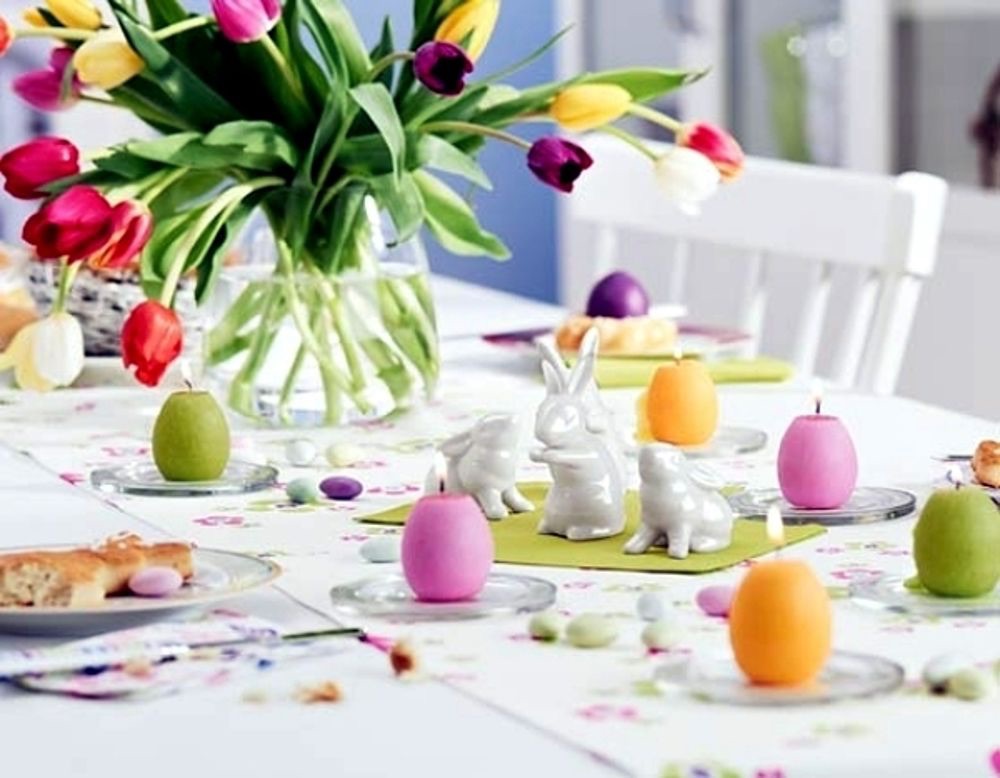
The Colorful Tradition of Easter Egg Coloring
Easter is a time of renewal, celebration, and vibrant colors, and one of the most beloved traditions associated with this holiday is the art of egg coloring. This practice, steeped in history and symbolism, brings families and communities together in a joyful expression of creativity and festivity.
Historical Roots
The tradition of dyeing eggs for Easter can be traced back to early Christianity. Eggs were seen as a symbol of new life and resurrection, making them a fitting emblem for the Easter celebration. In many cultures, eggs were painted and decorated to represent the joy of the season. In fact, the practice may predate Christianity itself, as ancient civilizations also associated eggs with fertility and rebirth.
One of the earliest documented instances of egg dyeing dates back to the 13th century, when eggs were colored red to symbolize the blood of Christ. This practice quickly spread across Europe, evolving into the colorful and diverse traditions we see today.
Techniques and Methods
The methods of coloring Easter eggs vary widely across different cultures, each with its unique flair. Here are a few popular techniques:
Dyeing with Natural Ingredients: Many families opt for natural dyes made from fruits, vegetables, and spices. For instance, red cabbage can produce a beautiful blue, while turmeric yields a vibrant yellow. This eco-friendly approach not only creates stunning colors but also fosters a connection to nature.
Pysanky: pysanky involves a wax-resist method that creates intricate designs on eggs. Artists use a stylus to apply beeswax to the egg’s surface, creating patterns before dyeing. The wax is then removed, revealing stunning multicolored designs.
Marbling and Dripping: This fun technique involves swirling different colors of dye in water and then dipping the eggs, creating a marbled effect. Kids especially enjoy this method, as it allows for creativity and spontaneity.
Decoupage and Stickers: For a more modern twist, some families use stickers or decoupage techniques to decorate eggs. This allows for endless creativity, as one can create themed eggs or use favorite characters and designs.
Cultural Variations
Easter egg coloring traditions vary significantly from culture to culture:
- Greece: In Greece, red-dyed eggs symbolize the blood of Christ. During Holy Week, eggs are dyed red, and on Easter Sunday, they are used in a game called “tsougrisma,” where participants try to crack each other’s eggs.
- Poland: The Polish tradition of decorating eggs, known as “pisanki,” features intricate designs often inspired by nature. Traditional patterns may include flowers, animals, and geometric shapes, showcasing the artistry of the culture.
- Germany: In Germany, colorful eggs are often hung on trees or displayed in homes as part of the Easter decoration. The tradition of the Easter egg hunt is also popular, where children search for hidden eggs.
- United States: In the U.S., the Easter egg hunt has become a cherished family tradition. The White House hosts an annual Easter Egg Roll, where children roll decorated eggs on the lawn, continuing a fun and festive legacy.
Easter egg coloring is more than just a fun craft; it’s a celebration of life, creativity, and cultural heritage. Whether using traditional methods or modern techniques, families come together to express their love and joy during this special time of year. 💡
 Kreate and Wryte